Latest News
-
New Research Reveals How Long Stays in Space Affects the Human Genome
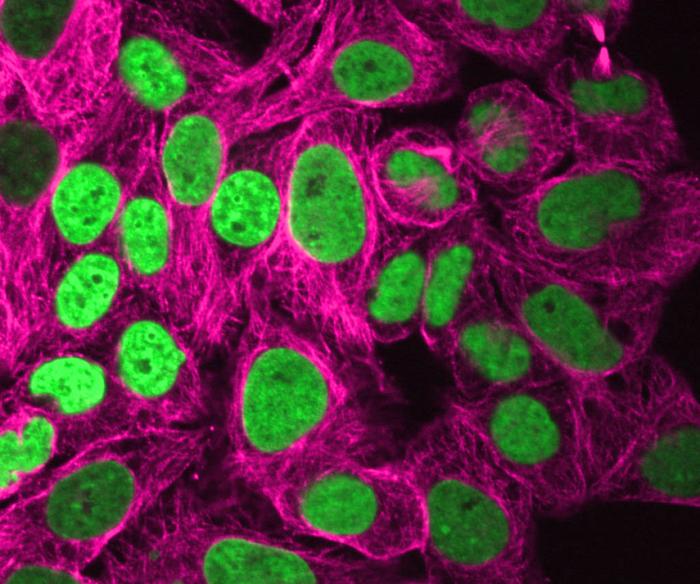
A new study in Science Advances addresses the pressing questions about how long-duration exposure to microgravity affects the human genome.
-
Enigmatic Mercury Will Remain A Puzzle Until Someone Sends A Lander

Despite the upcoming Bepi Colombo visit to Mercury, we need a lander mission to fully understand our solar system’s innermost planet.
-
In the Search for Exoplanets, Some Failures Are A Success
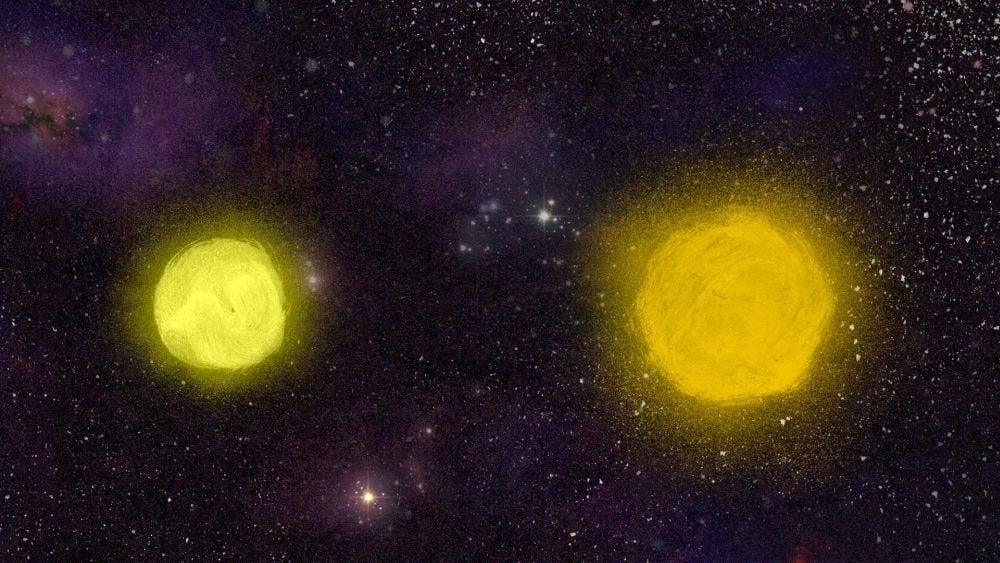
Astronomers used decades of archival data and new radial velocity measurements to search for exoplanets around a neaby binary star, 70 Oph AB. They didn't find any, which can seem like a failure. But in this case, their work only ruled out large, Jupiter-mass planets at certain distances. There could still be Earth-sized planets there, and their precise findings will only fuel a deeper search with more powerful telescopes.
-
The Flavor of Neutrinos Could Determine How a Large Star Dies
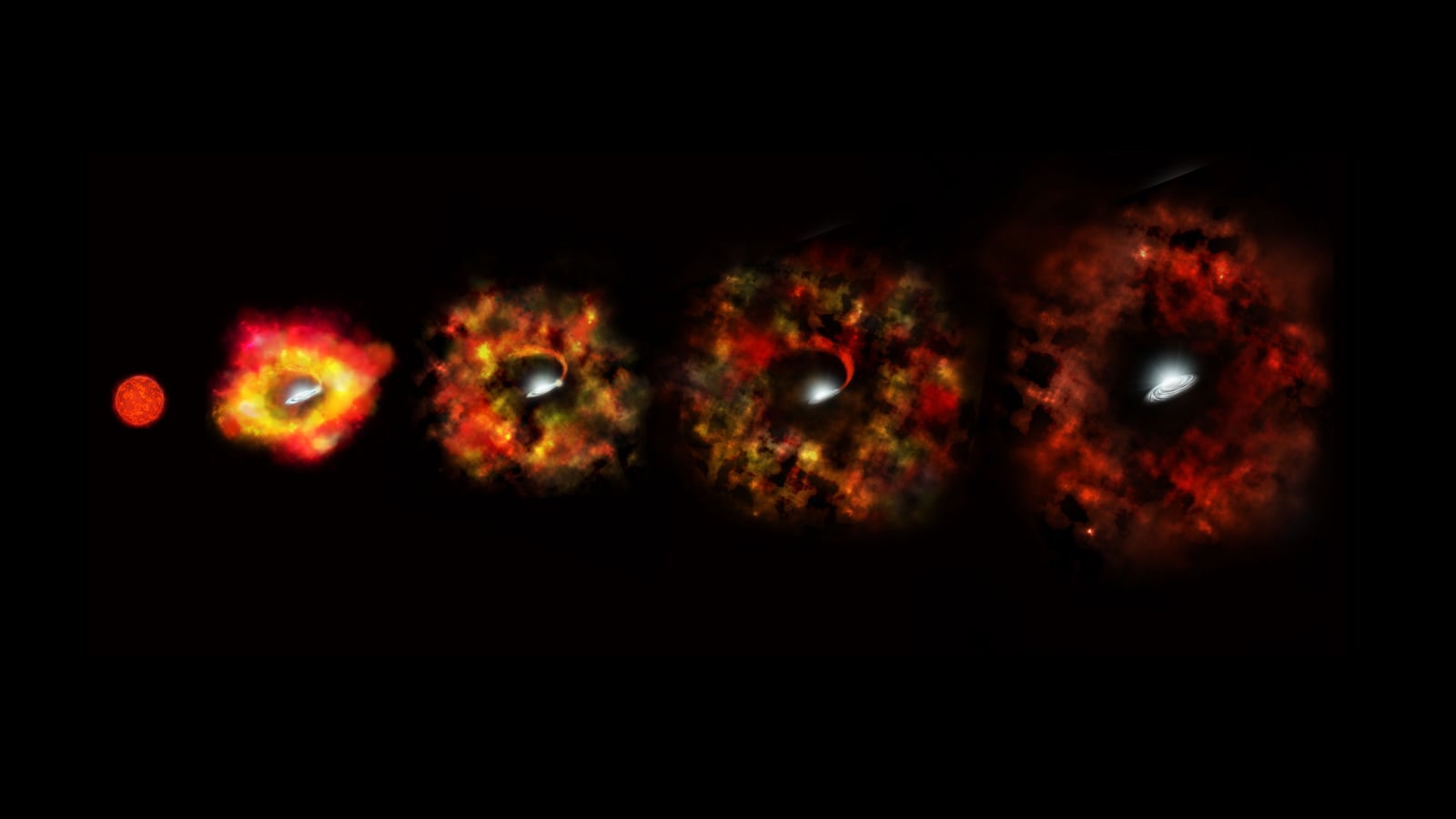
Neutrinos come in three different flavors. A new study finds that neutrino flavor could play a significant role in whether a dying star becomes a supernova or collapses directly into a black hole.
-
A Radio Phoenix Beyond the Zone of Avoidance
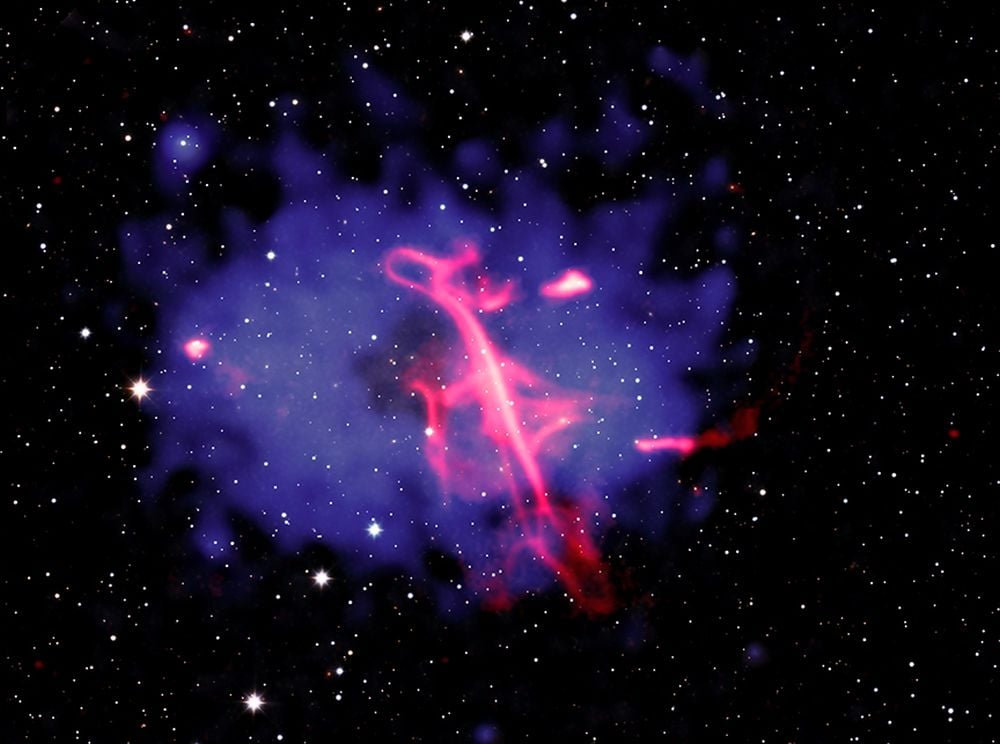
Years ago, astronomers spotted a strange radio formation beyond the Zone of Avoidance. The formation resembles a treble clef, a symbol in musical notation, and the nickname has stuck. Determining what created it has been difficult, but new research has revealed that the Treble Clef is a radio phoenix.
-
A Distant Supercluster of Galaxies Points To Self-Interacting Dark Matter
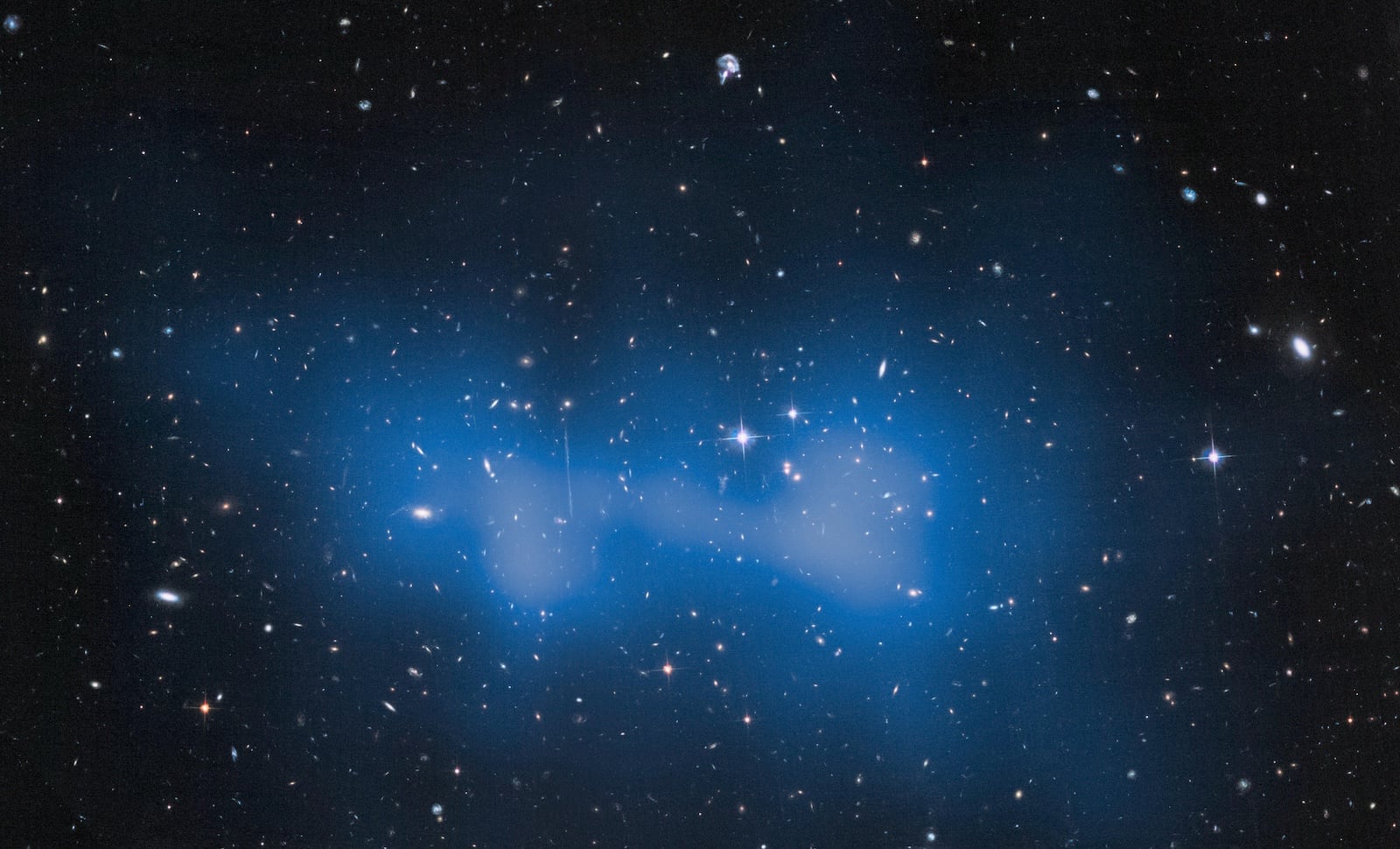
The El Gordo supercluster is unusually large given its distance. How could such a large galaxy cluster form so quickly? The answer could be that dark matter is self-interacting in an interesting two-state way.
-
Scientists Detect Rare Type of Wood Alcohol in Space
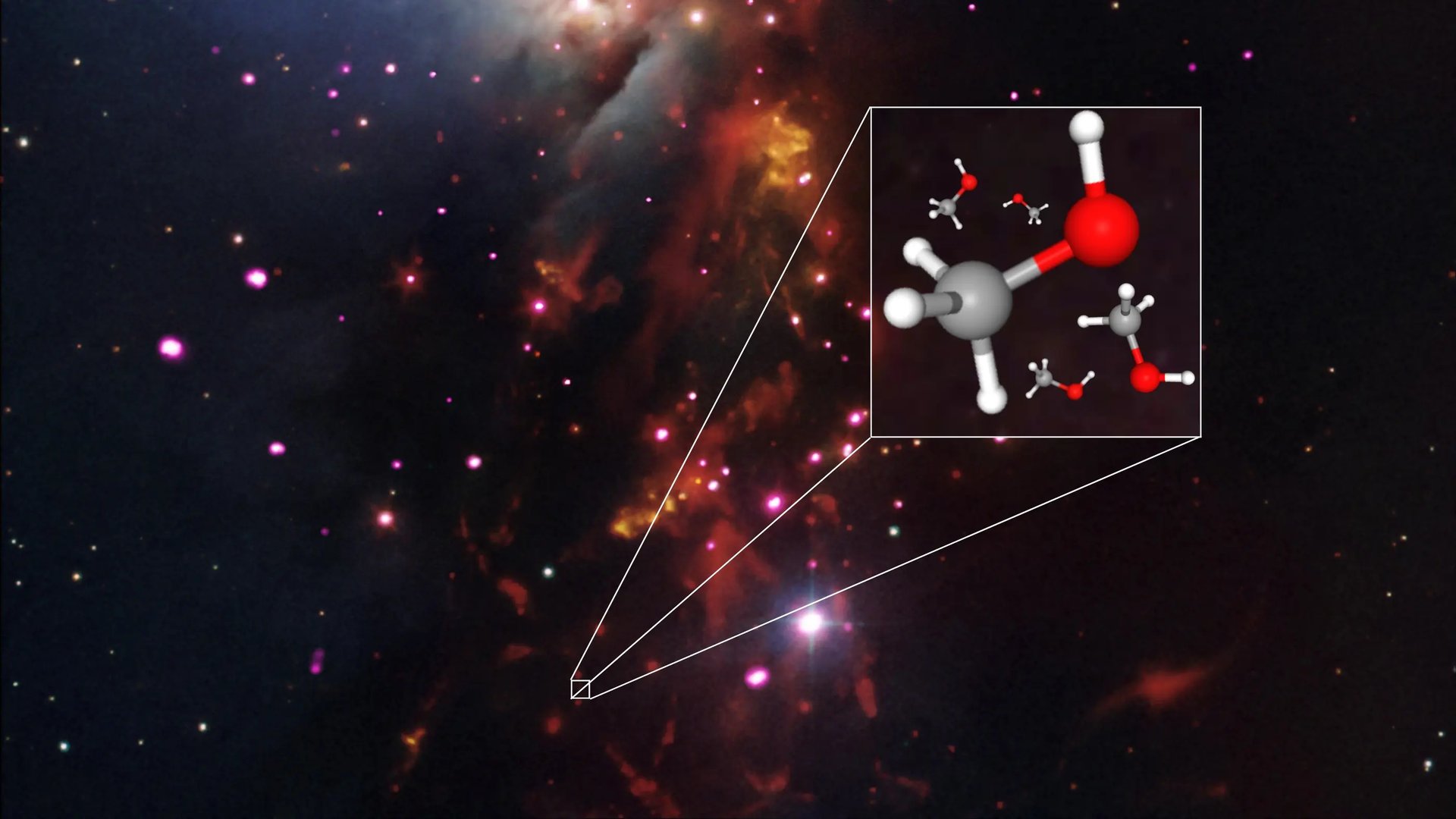
As part of the ALMA COMPASS Large program, an international research team has detected a rare form of methanol in space for the first time.
-
Host Stars Shape Their Planetary Systems Into Two Families
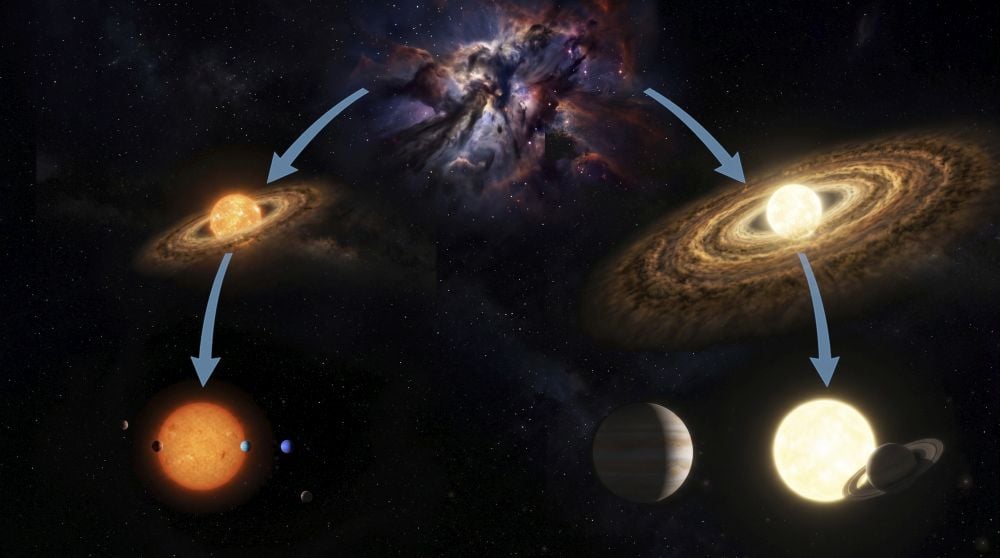
New research draws a link between a host star and the characteristics of its planetary system. Higher mass stars create one family of systems, while lower mass stars create another. These results provide a new, more detailed template for understanding exoplanet systems.
-
Orionid, Taurid Meteors Haunt October Skies
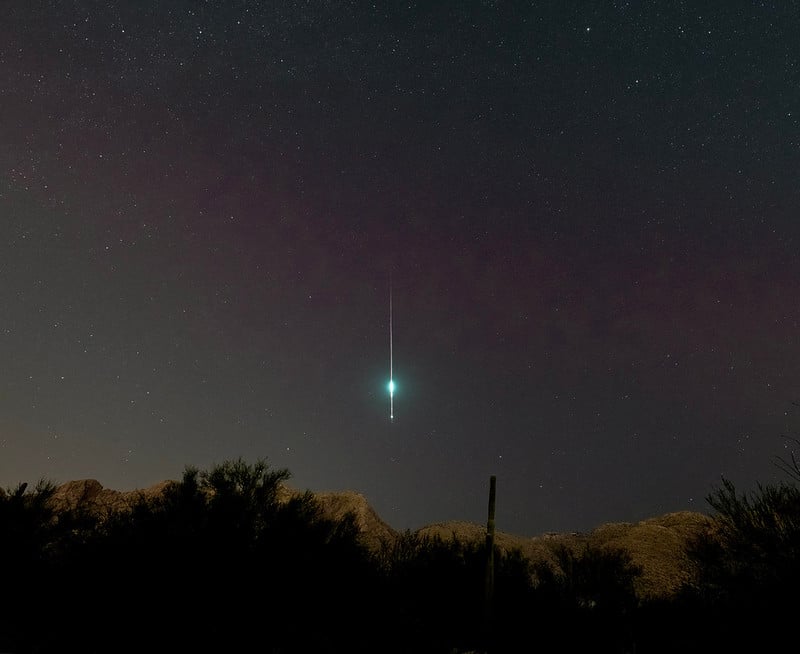
Fall meteor season has begun. Late October not only sees dusk falling ever earlier as ghouls and goblins walk the Earth on Halloween, but it also sees the peak of two fine annual meteor showers kicking off Halloween season: the Orionid and Taurid meteor showers.
-
SPHEREx Just Took the Fingerprints of Failed Stars Across Our Cosmic Neighborhood
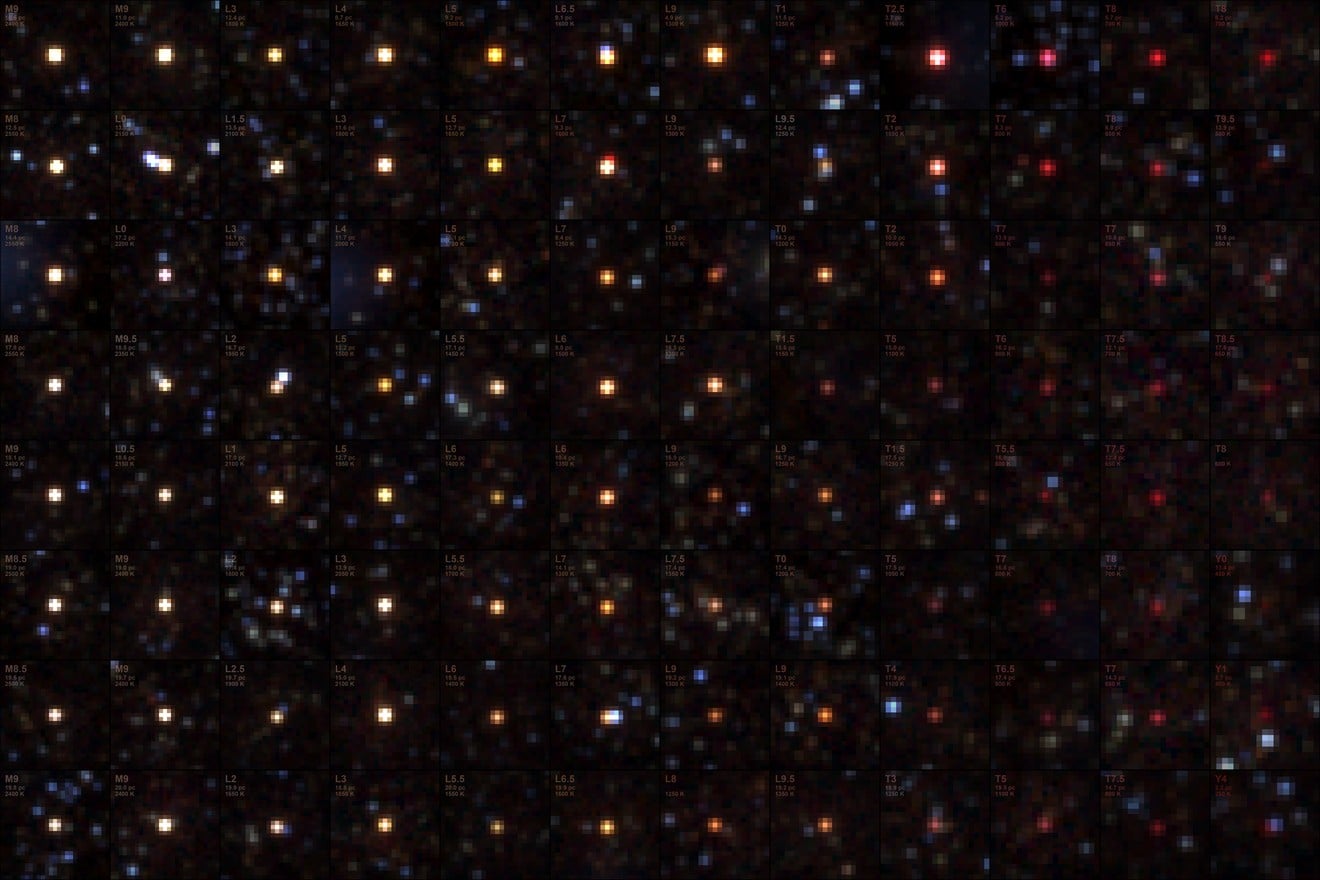
Brown dwarfs are the black (or brown?) sheep of astronomy. They’re too big to be considered a traditional gas planet, but they are too small to have started nuclear fusion and made the full transition to star-hood. They also change dramatically over time, cooling, shrinking, and spinning faster as they age. Or at least we think they do - our models of the atmospheres of these celestial objects aren’t the best, according to a new paper in The Astrophysical Journal Letters by a team led by Zafar Rustamkulov at Caltech and NASA’s Jet Propulsion Laboratory.